September 2026
Warsaw's New Tram Line: Who Pays for the Missing Depot?
Warsaw's Wilanów tram line opened without a depot, raising hard questions about who bears the cost of the city's rushed transit expansion
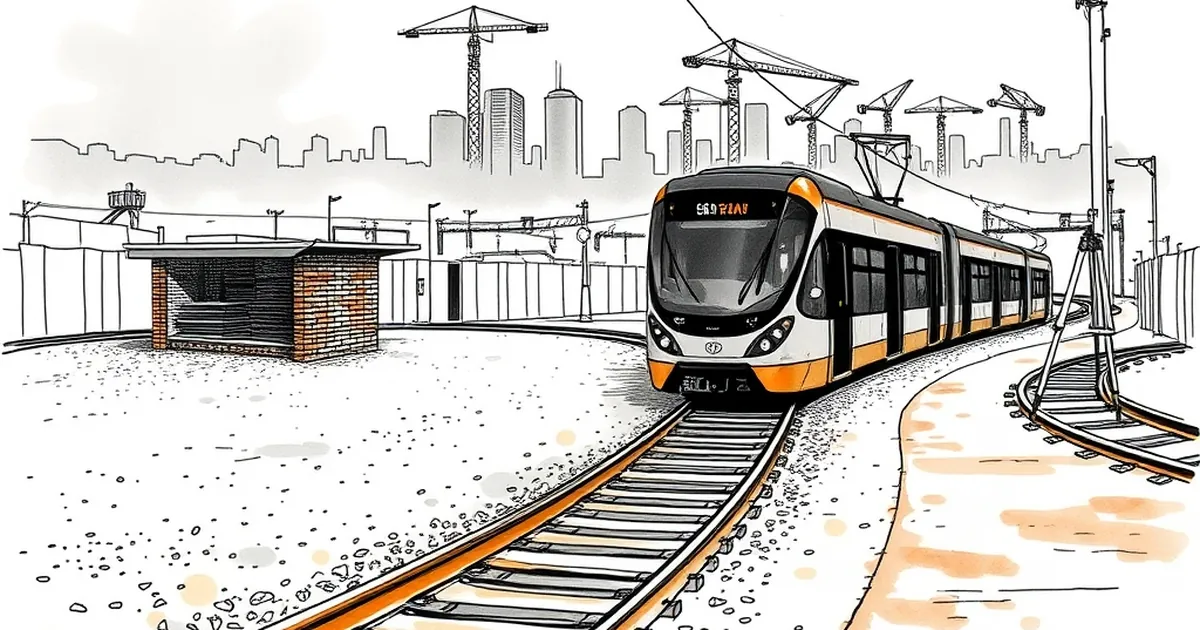
Warsaw's tram network is expanding faster than anyone can build a place to park the vehicles. The new line to Wilanów opened to passengers in October 2024, a genuinely impressive piece of engineering that finally connects the capital's southern districts to the city centre. But there's a catch that transit planners have been quietly muttering about for years: the trams running on it have nowhere proper to sleep.
The Depot Problem Nobody Wanted to Talk About
Tram depots aren't glamorous. They don't make ribbon-cutting photos. They're industrial yards with inspection pits, washing stations, and enough track capacity to store dozens of vehicles overnight. Warsaw's existing depots — at Mokotów, Praga, Żoliborz, and Wola — were designed for a smaller network running older rolling stock. Adding a major new line without adding depot capacity is like buying a third car and hoping it fits in a one-car garage.
The Wilanów line added roughly 30 new trams to the fleet, with more on order. Those vehicles need daily maintenance, cleaning, and somewhere to stand when they're not in service. Right now, they're being squeezed into depots that were already operating near their limits.
What Actually Happens When Trams Have No Home
The consequences aren't abstract. Trams are parked on service tracks, in sidings, and sometimes in places that make maintenance crews' lives difficult. Every extra minute spent shunting a vehicle into an overcrowded yard is a minute not spent on inspections. Warsaw Tramways (Tramwaje Warszawskie) has acknowledged that the situation is tight, though officially the network keeps running.
There's also a cost dimension that rarely makes headlines. When a tram can't be serviced on schedule, wear-and-tear issues compound. A wheel that should have been reprofiled last week becomes a wheel that damages track. Multiply that across a fleet and you get infrastructure bills that dwarf what a proper depot would have cost upfront.
Who's Supposed to Foot the Bill?
This is where the story gets genuinely murky. Warsaw's tram infrastructure is funded through a patchwork of municipal budgets, EU cohesion funds, and national transport programmes. The Wilanów line itself leaned heavily on EU money — Poland has been one of the biggest beneficiaries of European regional development funding, and urban rail projects are a favourite target.
Depots, though, are harder to sell to Brussels. A new tram line carries passengers and reduces car traffic; a depot is back-office infrastructure. It's essential, but it doesn't photograph well in a funding application. So depots often get deferred, with the assumption that the city will find money later.
Later has arrived. Warsaw needs a new depot, and the likely candidate is a facility in the south of the city, near the Wilanów corridor. The price tag runs into the hundreds of millions of złoty. The city says it's working on it. The question is whether it will be paid for by Warsaw taxpayers, EU funds in the next budget cycle, or a mix of both — and whether the timeline matches the pace of tram deliveries.
The Annopol Precedent
Warsaw has been here before. The Annopol depot, planned for the northern part of the city, has been discussed for over a decade. It was supposed to serve the growing fleet on the northern lines. Progress has been slow, with funding questions and land issues dragging the project out. If Annopol is any guide, a southern depot could take years longer than the trams need it.
That matters because tram manufacturers don't wait. Deliveries arrive on contract schedules. If the city has ordered vehicles and has nowhere to put them, it either pays for storage elsewhere, renegotiates delivery timelines, or accepts that new trams will sit idle — all expensive outcomes.
The Hidden Cost of Doing Nothing
Let's put a number on this. A new tram costs somewhere in the range of 10–15 million złoty. If a dozen vehicles can't enter service because there's no depot space, that's over 100 million złoty in assets sitting still while the city pays interest on the debt used to buy them. Add the operational inefficiency of overcrowded existing depots, and the "savings" from delaying the depot look increasingly fictional.
There's a political dimension too. Voters in Wilanów and the southern districts waited years for their tram line. They were promised faster commutes and a modern connection. If service frequencies suffer because the fleet can't be maintained properly, that promise erodes. Public trust in big infrastructure projects is already fragile in Poland — every delayed depot becomes ammunition for critics who say the whole system is mismanaged.
What Other Polish Cities Got Right
It's worth looking at how other Polish cities handle this. Kraków, which has been expanding its tram network aggressively, has generally paired line extensions with depot investment. Gdańsk built new depot capacity as part of its Pomeranian Metropolitan Railway integration. These aren't perfect examples, but they suggest that treating depots as an afterthought is a choice, not an inevitability.
Wrocław has also wrestled with depot constraints, and its experience shows that retrofitting existing facilities is possible but expensive and disruptive. The lesson: it's cheaper to plan depot capacity alongside line construction than to bolt it on afterward.
What Warsaw Should Do Next
The honest answer is that Warsaw will pay for the depot eventually — the only question is how much more it will cost by waiting. The city should be transparent about the funding plan, including which EU budget cycle it's targeting and what happens if that money doesn't materialise. Tramwaje Warszawskie should publish realistic depot capacity figures so residents understand the constraint.
For readers in Warsaw, the practical takeaway is this: watch the depot, not the ribbon-cutting. The next time the city announces a new tram line, check whether a depot is part of the package. If it isn't, you already know where the story is heading — and who will end up covering the bill.