November 2026
Tram depots fill up before the trams they were built for arrive
Poland's new tram depots sit half-empty as modern trams face delays, revealing a costly mismatch between infrastructure and aging rolling stock
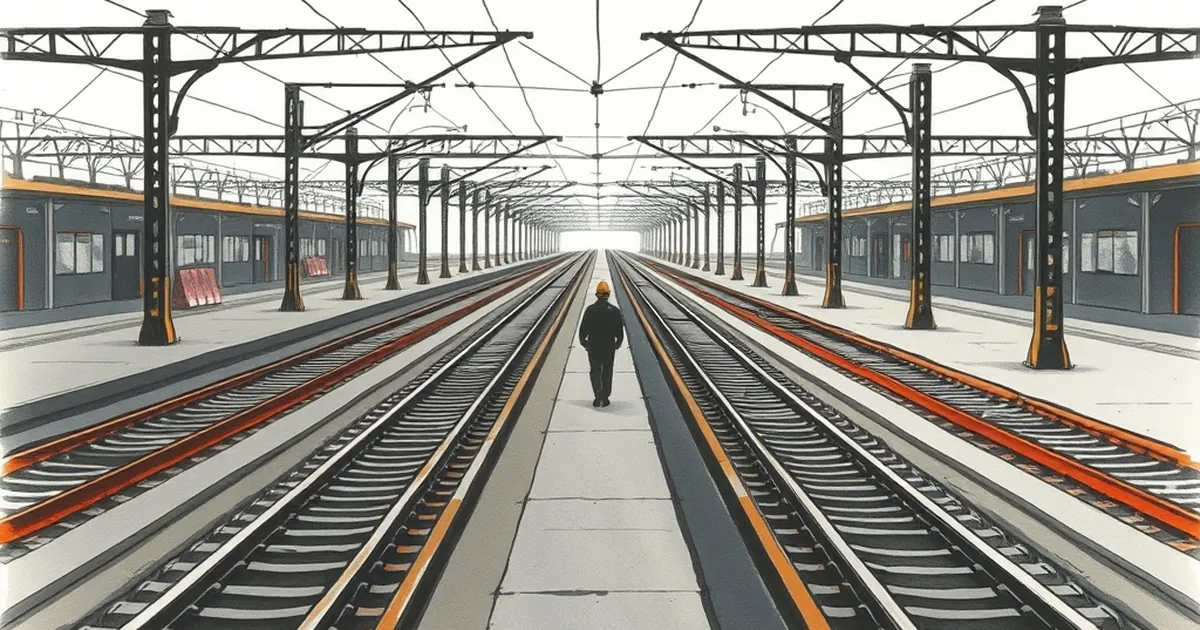
Poland has spent the past decade building some of the most modern tram depots in Europe — halls in Olsztyn, Gdańsk, Kraków and Warsaw designed around vehicles that, in several cases, still haven't entered regular service. The result is a quiet paradox: shiny maintenance halls standing half-empty while operators juggle aging rolling stock outside. So why are depots filling up before the trams they were built for even arrive?
The depot boom nobody planned as a boom
Start with the numbers that matter to operators. A modern low-floor tram needs more space per vehicle than the high-floor Konstal 105Na it replaces — wider gangways, longer articulated bodies, and a maintenance regime that assumes diagnostics bays rather than pits and hammers. Cities that ordered new fleets therefore had to rebuild their depots first, because you cannot deliver a 33-metre Pesa Twist into a hall designed for a 13-metre wagon.
That logic was sound. The problem is sequencing. Depot tenders went out early, often under separate EU funding windows with their own deadlines, while tram procurement ran into appeals at the National Appeal Chamber (KIO), delayed type approvals, and in some cases the collapse of a supplier. The halls got finished on time. The trams did not.
There is a second, less discussed factor: depots are being built for fleet sizes that include spare vehicles and future expansion. A depot designed for 60 trams looks cavernous when 40 have been delivered. Journalists photograph the empty tracks and call it waste. Operators call it capacity planning.
What actually fills a depot before its trams arrive
The rolling stock nobody budgets attention for
Here's the thing about a half-empty depot: it never stays half-empty for long. When a city buys new trams, the old ones don't disappear — they get cascaded, refurbished, or kept as a reserve fleet while the new vehicles clear warranty milestones. That means an operator can end up maintaining three generations of rolling stock at once: the outgoing Konstals, the mid-life vehicles bought in the 2000s, and the first deliveries of the new fleet.
Each generation needs different tools, different spare parts, different staff competencies. A depot built for one fleet type suddenly hosts a maintenance ecosystem. In practice, this is what fills the halls: not the new trams, but the transitional mess of running a mixed fleet for five to seven years.
The workshop as a construction site
I've walked through depots where the track layout was finished but the overhead catenary wasn't energised, and the diagnostic equipment was still in crates because the delivery contract lagged the building contract by eighteen months. Staff were doing pre-assembly checks on trams parked under temporary lighting.
This is the unglamorous reality behind the headlines about "record investment in public transport." A depot is not one project; it's a building, a power supply, a workshop fit-out, an IT system, a staff training programme, and a spare-parts warehouse, each with its own procurement timeline. When any one of them slips, the building sits there looking finished and doing nothing.
A concrete case: the gap between hall and fleet
Consider the pattern visible in several Polish cities that ordered Pesa Jazz and Twist vehicles alongside depot modernisation. In one instance I followed, the new hall opened with capacity for around 50 trams. At the opening ceremony, roughly a dozen of the new vehicles had been delivered — and several of those were still in acceptance testing, not available for service. The depot was, functionally, a very expensive parking garage for construction equipment.
Two years later, the same hall was running at close to capacity, with the old fleet still occupying two tracks and the new fleet needing more maintenance hours than the contract had assumed, because early-life reliability issues always eat workshop time. The "empty depot" story had reversed itself entirely. The lesson isn't that cities built too early; it's that the empty phase is a temporary and predictable stage, and it should be planned for rather than reported as scandal.
Why this matters beyond the depot gates
For passengers, the depot gap translates directly into service quality. A tram that can't get a slot in a diagnostics bay waits longer for repairs. A mixed fleet means more failures of unfamiliar components. And a depot running below design capacity while maintaining three fleet types is a depot running above its practical capacity in every way that counts.
For city budgets, the sequencing problem is worse. EU cohesion funding for 2021–2027 puts heavy emphasis on rolling stock and depot infrastructure, but the co-financing rules reward spending by deadline, not by operational readiness. Cities that delay tram procurement to match depot completion risk losing funding; cities that rush procurement risk the delivery delays we've seen repeatedly. There is no clean answer, only trade-offs.
What operators should do with a half-empty hall
The practical takeaway is to treat the transitional period as an asset, not an embarrassment. A depot with spare capacity is the ideal place to do the heavy mid-life overhauls that get deferred when bays are full — refurbishing the 2000s-era fleet while the new trams arrive, rather than scrapping vehicles you'll wish you had in three years. It's also the moment to train staff on the new fleet without the pressure of a full service roster.
Forward-looking, the smartest operators are already writing depot readiness milestones into tram contracts — delivery schedules tied to bay availability, not just vehicle acceptance. If the hall fills before the trams arrive, that's a planning failure worth naming. But if the hall is full five years later, nobody will remember the empty tracks. The question is whether the city used that quiet window well, or simply waited for the vehicles to show up.